Ska
Ska music, the cheeky younger sibling of reggae, first bubbled up in Jamaica during the late 1950s, a delightful concoction of Caribbean mento and calypso, mixed with jazz and rhythm and blues. Picture it: musicians playing upbeat, syncopated rhythms, with a delightful brass section adding some real zing.
More about Ska
Ska's unique sound is characterised by its offbeat guitar and piano riffs, lively horns, and danceable beats, making it nearly impossible to resist when it comes on the radio, or at least the record player. The genre exploded in popularity during the 1960s, becoming the soundtrack to Jamaica's newfound independence; it was all sunshine, smiles, and a touch of political commentary. Key artists like Toots and the Maytals and The Skatalites brought forth anthems that resonated like a well-placed kick on the dance floor.
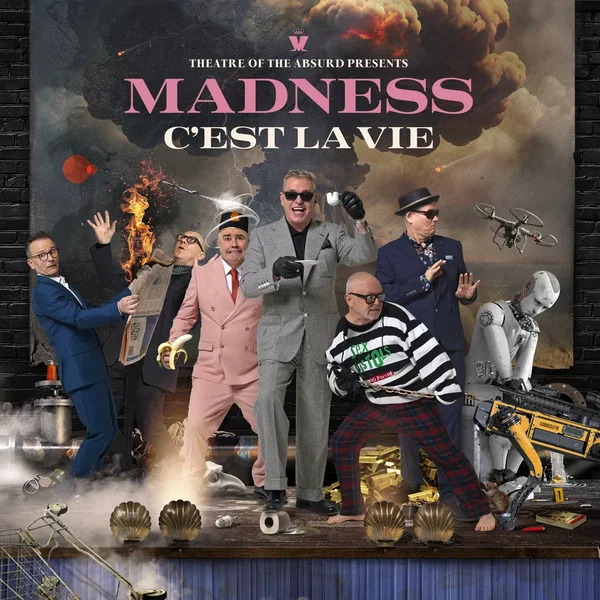
Fast-forward to the late 1970s, and you’ll find British youth, bedecked in two-tone suits, embracing ska as part of the punk and mod movements. Bands like Madness and The Specials turned the energy up a notch, breathing new life into the genre. As the years rolled on, ska evolved, developing subgenres such as second wave ska and ska punk, with bands like Reel Big Fish and Less Than Jake leading the charge.
In short, ska's evolution mirrors the social and cultural shifts of its time, proving that music can both entertain and make a statement. It is a genre that promotes unity, diversity, and, let’s be honest, a jolly good time.
A way in
Start here
Four artists that help explain ska.
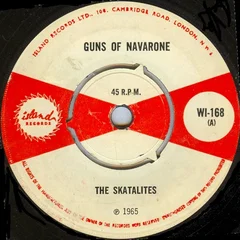
The Skatalites
The original ska band, their instrumentation laid the foundation for the genre's classic sound.
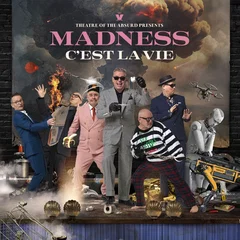
Madness
Iconic British band, known for catchy tunes and a distinctive blend of ska and pop.
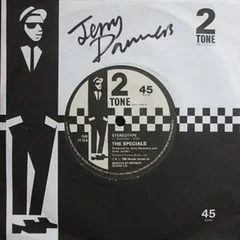
The Specials
Essential to the two-tone movement, their socially conscious lyrics captured the zeitgeist of 1980s Britain.
Explore the family
Go deeper
Follow the branches and scenes within this sound.
Keep listening
Nearby sounds
Directory
Ska artists
35 artists