Reggae
Reggae music, the sound of Jamaica, originated in the late 1960s as a combination of rocksteady, ska, and a pinch of rhythm and blues, all shaken together like a particularly spirited cocktail. Picture this: a few blokes strumming guitars, some bass lines that make your heart skip a beat, and drums that might just compel you to sway in an acceptably nonchalant manner. It was Bob Marley who took reggae mainstream, with albums like 'Legend' and tracks such as 'No Woman, No Cry' weaving their way into the tapestry of not just music but culture. Reggae is as much about its lyrical depth as it is about its infectious rhythm; it addresses social issues, love, spirituality, and, let’s be honest, occasionally, the perfect amount of “I love my planet, man.”
More about Reggae
Culturally, reggae transcended mere entertainment; it became an emblem of resistance, identity, and freedom, especially during Jamaica's tumultuous political climate. The genre’s hallmark is the offbeat rhythm known as the one drop, which has you nodding along, even if you don't quite understand the lyrics that often involve philosophy more intricate than the average evening’s chit-chat.
In the 1970s, reggae found itself mingling with other genres, evolving into various forms that have kept it fresh yet familiar. From roots reggae, which finds its essence in socio-political commentary, to dancehall, which pulls more focus on partying, reggae continues to be a living, breathing reflection of its people and their experiences. Artists like Peter Tosh and Bunny Wailer shaped the genre's legacy, while contemporary acts such as Protoje and Chronixx add their own chapter to this rich narrative.
So there you have it, reggae is not just a genre, it’s a cultural movement, a means of expression, and a downright good reason to don a pair of sandals and sway your hips, if the mood strikes you, of course.
A way in
Start here
Four artists that help explain reggae.
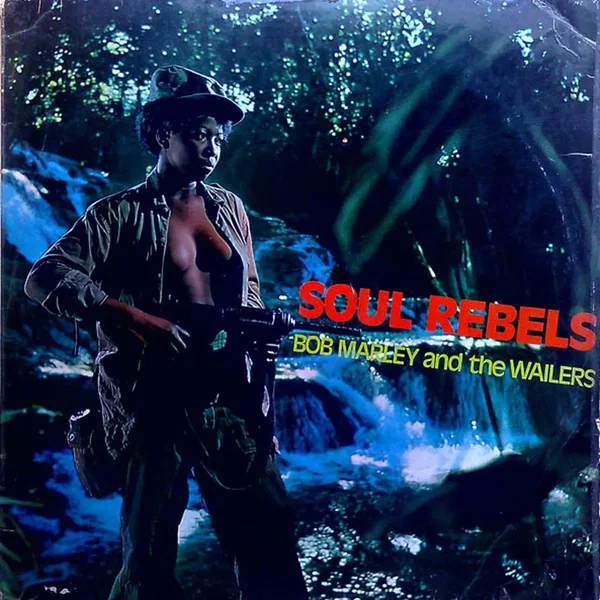
Bob Marley
The most iconic figure in reggae, transforming it into a global phenomenon.
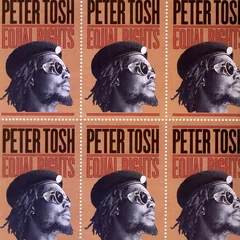
Peter Tosh
A pioneer who brought political themes to the forefront of reggae music.
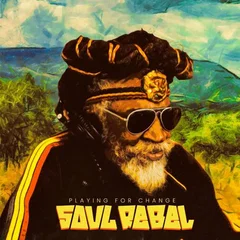
Bunny Wailer
One of the founding members of The Wailers, crucial in shaping reggae's sound.
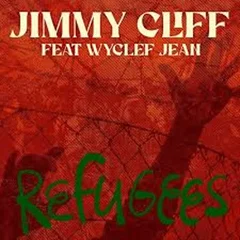
Jimmy Cliff
Known for his role in the film 'The Harder They Come', he brought reggae to cinematic audiences.
Explore the family
Go deeper
Follow the branches and scenes within this sound.
Roots Reggae
Emotionally charged music steeped in cultural and political themes.
Dancehall
A more upbeat, party-oriented style that emphasises rhythm over lyrical depth.
Dub
Experimental music focusing on remixing and production techniques.
Lovers Rock
A smooth, romantic variation with a focus on love and relationships.
Reggaeton
A fusion of reggaes, Latin rhythms, and hip hop elements.
Keep listening
Nearby sounds
Directory
Reggae artists
79 artists