Hip Hop
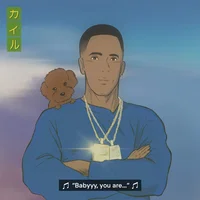
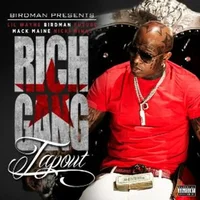
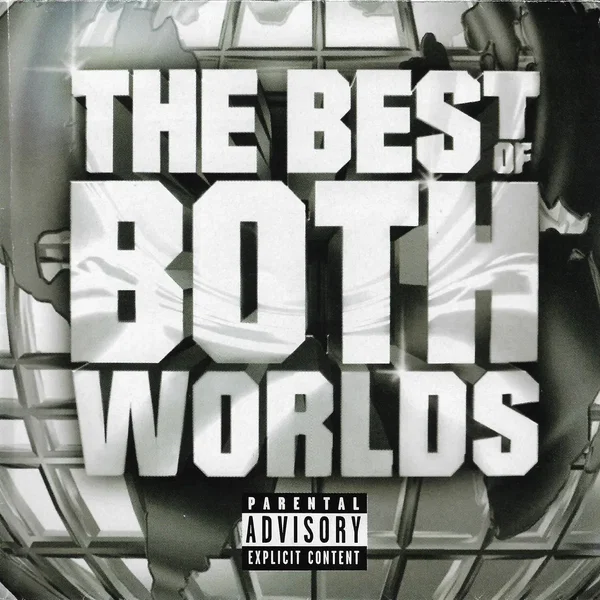
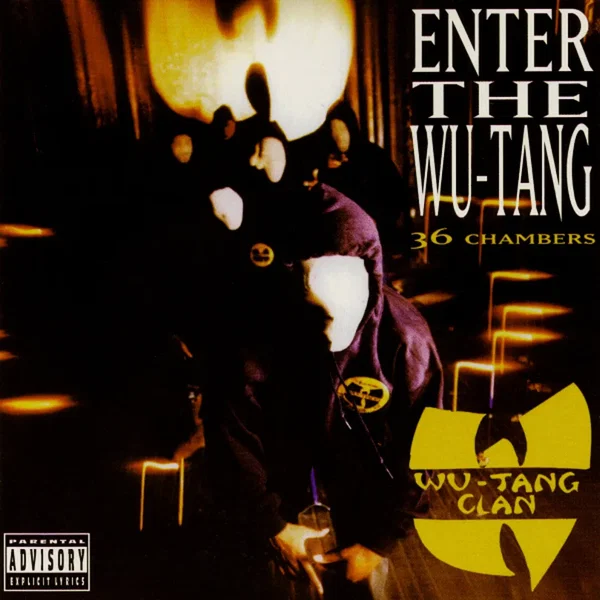
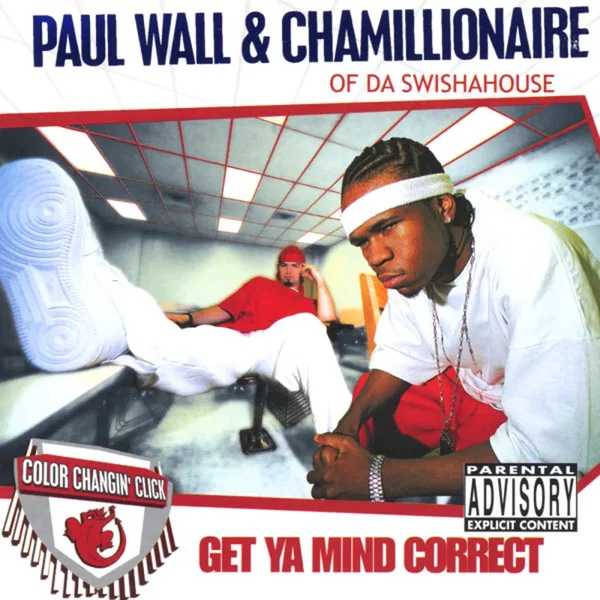
Essential Hip Hop releases
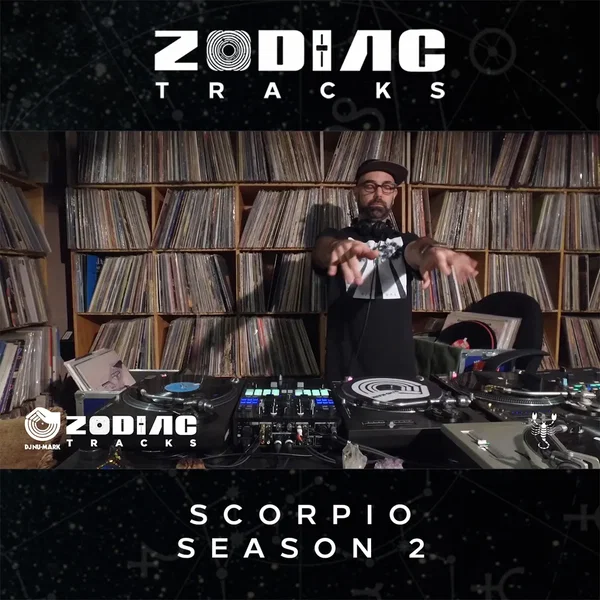
Hip Hop, the genre that came storming out of the Bronx in the 1970s, is more than just music; it’s a veritable cultural revolution. This audacious movement emerged from the streets, offering a voice to the underrepresented and turning urban struggles into lyrical art. The roots of Hip Hop can be traced back to block parties where DJs like Kool Herc would stretch out breakbeats, encouraging dancers to show off their best moves; if only we were all so graceful after a pint. With a catchy mix of rhythm, clever wordplay, and social commentary, Hip Hop evolved into a complex tapestry that resonates with audiences globally. Key elements include rapping, DJing, graffiti art, and breakdancing, each playing a vital role in its cultural significance.
Artists such as Grandmaster Flash, with tracks like "The Message," brought attention to societal issues, highlighting Hip Hop's ability to mirror reality whilst simultaneously providing an escape. The 1980s introduced pioneers such as Run-D.M.C. and Public Enemy, who experimented with various sounds while promoting strong messages, paving the way for what would become a multi-billion-pound industry.
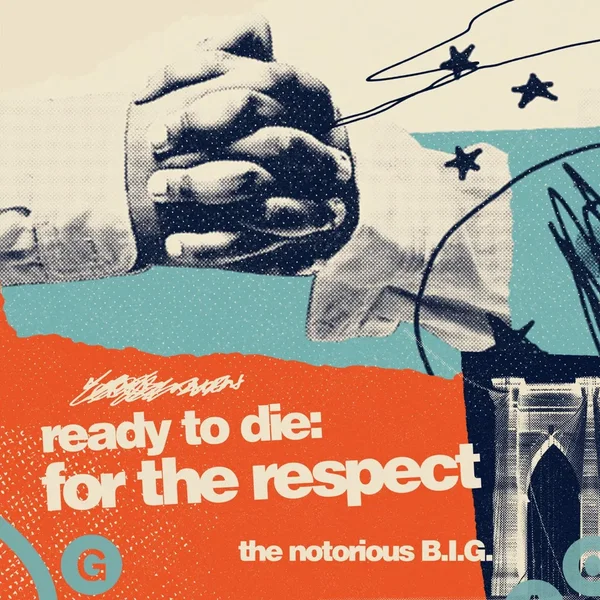
Fast forward to the 90s, and we saw the rise of legends like Tupac Shakur and The Notorious B.I.G.; their music was raw and real, capturing both the zeal and the struggles of urban life. The genre has since evolved; mainstream hits now splatter catchy hooks over modern trap beats, appealing to a wider audience but still holding onto its core, often cheeky narrative style.
Today, Hip Hop continues to flourish with new artists emerging, creating subgenres that keep the spirit of innovation alive. It transcends mere entertainment; it influences fashion, language, and social movements, proving that Hip Hop is not just a genre, it’s a way of life.
Subgenres
Gangsta Rap
A subgenre focused on the realities of street life and crime.
Conscious Hip Hop
Lyricism that emphasizes social issues and political consciousness.
Trap
Characterised by its use of hi-hats, fast tempos, and synths.
Boom Bap
A style defined by its heavy use of hard-hitting drums and samples.
Alternative Hip Hop
A broad category for artists who incorporate diverse influences.
Grime
Originating from the UK, a genre known for its rapid beats and complex lyrics.
Souls Rap
A fusion of rap and soul music, often focusing on emotional lyrics.
Essential Hip Hop Artists
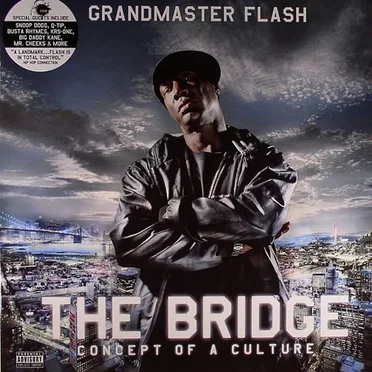
Grandmaster Flash
Pioneered many DJ techniques and was instrumental in bringing Hip Hop to the masses.
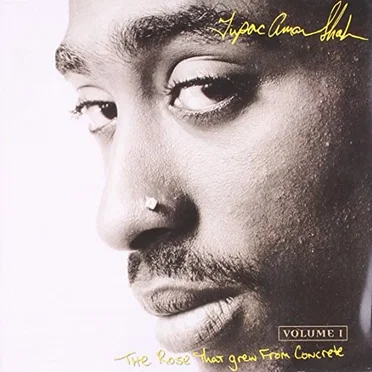
Tupac Shakur
A cultural icon whose lyrical depth and charisma influenced many artists and social movements.
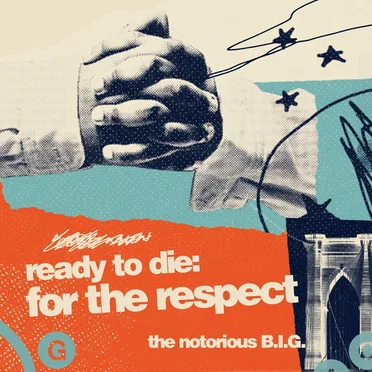
The Notorious B.I.G.
Known for his storytelling abilities and has been a cornerstone of East Coast hip hop.