Folk Rock
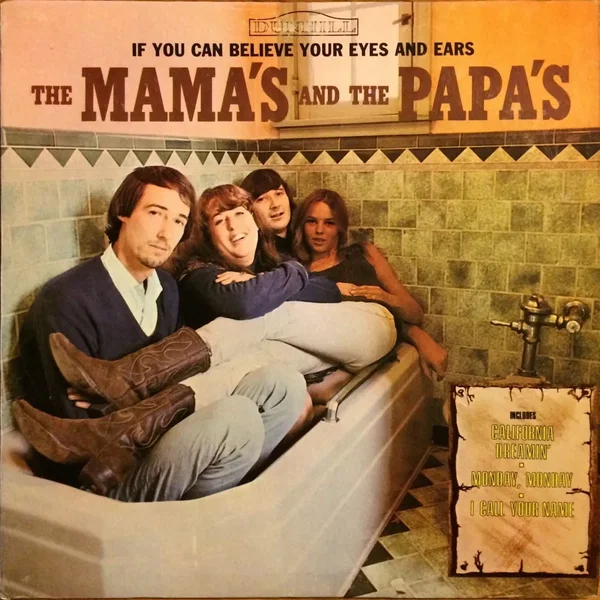
Folk rock, a delightful blend of two worlds, has its roots set firmly in the 1960s; think of it as the quieter, more contemplative cousin of rock and roll. Emerging from the folk revival movement in the United States and the United Kingdom, this genre combines traditional folk music's storytelling poise with the electric instrumentation of rock. Artists like Bob Dylan and The Byrds propelled this fusion into the limelight, with hits such as 'Mr. Tambourine Man,' showcasing melodies that stick to your brain like an unwanted earworm. The appeal? It's the lyrics, often infused with social commentary, and melodies that beg for a sing-along, whether you're in a smoky pub or your shower; yes, we all do it.
More about Folk Rock
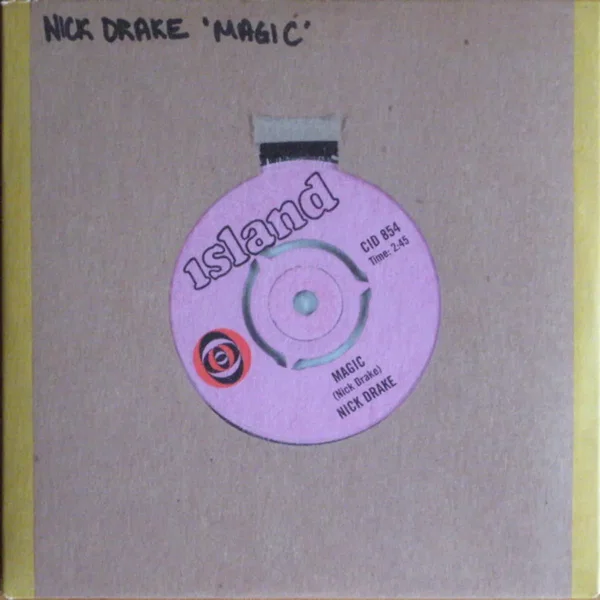
The 1970s saw folk rock's expansion into something even richer. Bands like Fairport Convention brought British folk traditions and blended them with rock's dynamism, creating an entirely new sound that resonated deeply with listeners. Albums like 'Liege and Lief,' which you might think sounds like a medieval spell, actually redefined the genre and inspired countless others. And who can forget the delightful storytelling of artists like Nick Drake, whose murky lyrics and ethereal sound created a cult following.
Fast forward to today, and folk rock has evolved while still keeping its clever wit. You might hear traces of it in contemporary acts, like Fleet Foxes, who sprinkle their melancholic harmonies over a modern landscape, all while reminding us that the beauty of simplicity can be utterly profound. It is, after all, the sort of music that makes you feel as though you're sitting around a campfire with friends, debating how many biscuits are too many; spoiler alert: there isn't a limit. In summary, folk rock, a genre that embraces vulnerability whilst harnessing the power of melody and storytelling, has left an indelible mark on music, proving that good tunes and good tales never go out of style.
A way in
Start here
Four artists that help explain folk rock.
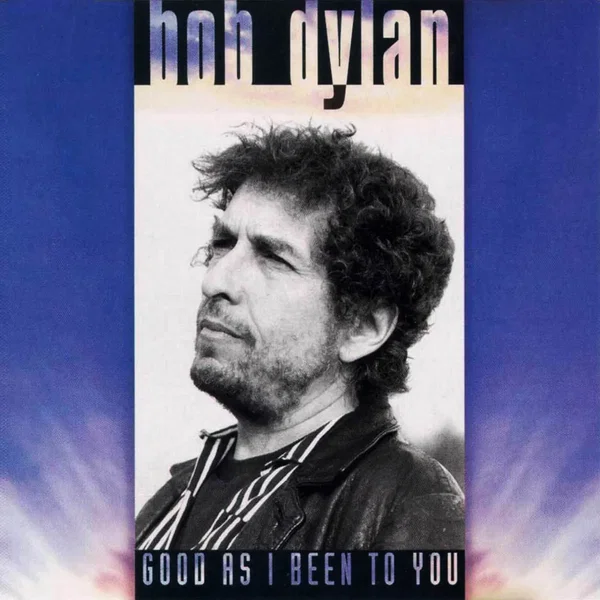
Bob Dylan
A pioneer of folk rock whose poetic lyrics and social commentary forged the genre's identity.
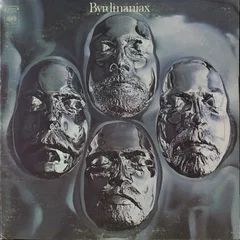
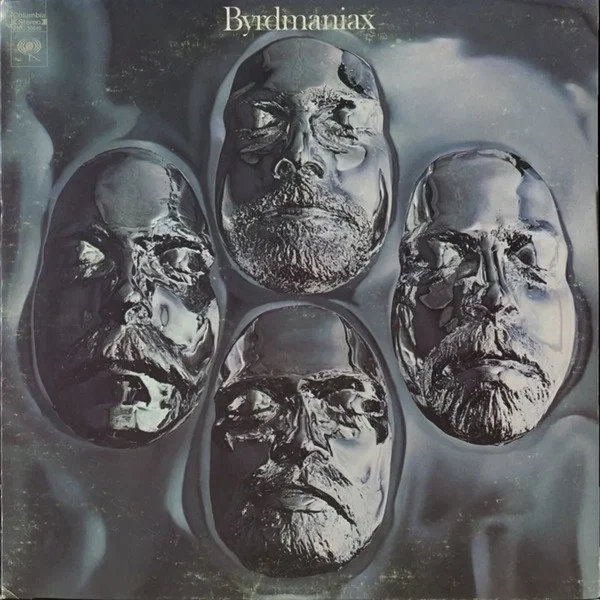
The Byrds
They played a crucial role in establishing the folk rock sound with their jangly guitars and harmonies.
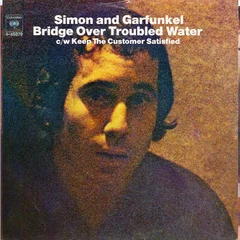
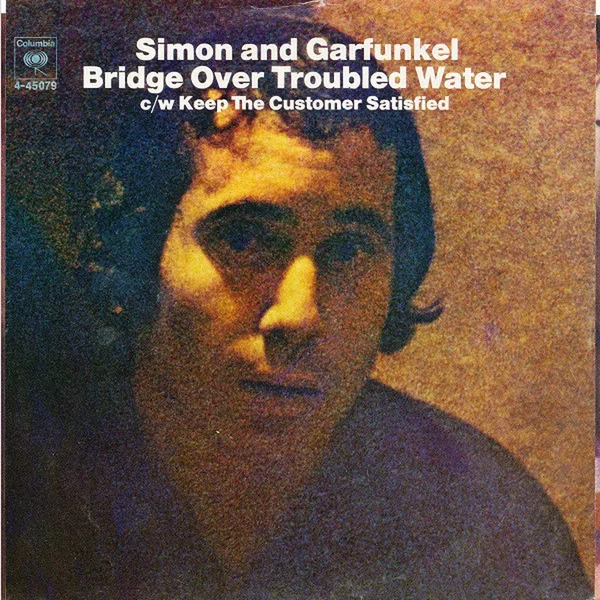
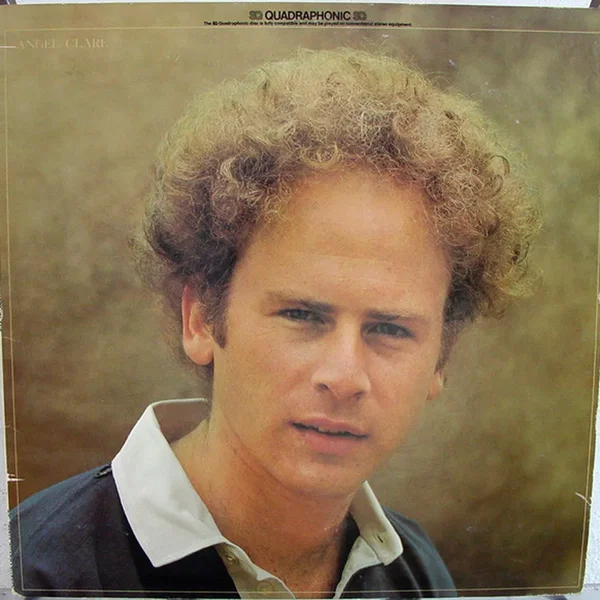
Simon & Garfunkel
Their melodic tunes and introspective lyrics became hallmark examples of the genre.
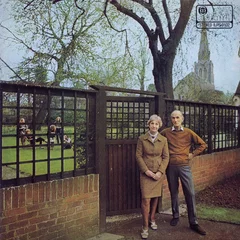
Fairport Convention
They brought British folk traditions to the forefront, influencing the sound of folk rock.
Explore the family
Go deeper
Follow the branches and scenes within this sound.
Acoustic Rock
A softer, more melodic take on rock music, featuring acoustic instrumentation.
Americana
A genre that blends elements of various American roots music styles, including folk, rock, blues, and country.
Psychedelic Folk
An experimental subgenre that incorporates elements of psychedelia into traditional folk music.
Progressive Folk
A fusion of traditional folk music with progressive rock elements, often featuring complex structures and themes.
Indie Folk
A contemporary blend of folk music and indie rock, typically featuring introspective lyrics and acoustic instruments.
Celtic Rock
A vibrant fusion of traditional Celtic music and rock, often featuring fiddles and bagpipes.
Singer-songwriter
A genre focused on the performance of original songs, emphasizing personal lyrics and storytelling.
Keep listening
Nearby sounds
Directory
Folk Rock artists
257 artists