Post Punk
Ah, Post-Punk, the genre that emerged like an awkward teenager from the ashes of Punk in the late 1970s. Imagine a scene where art meets angst; that’s where we start. Post-Punk kicked off around 1976, when bands like the legendary Joy Division and The Cure decided that the raw, rebellious nature of Punk wasn’t quite enough. They fancied a splash of atmospheric soundscapes, introspective lyrics, and a dash of that unnameable existential dread. Masterpieces like Joy Division's "Unknown Pleasures" and The Cure’s "Seventeen Seconds" became touchstones for those who preferred their rebellion with a side of introspection and a penchant for the melancholic.
More about Post Punk
The genre is defined by its eclecticism, often blending elements of electronic music, funk, and even a hint of world music, all whilst maintaining that signature punk ethos. It was a clear move away from the straightforwardness of Punk, diving instead into complex sounds and themes that challenged the status quo. Take a gander at bands like Talking Heads and their iconic "Remain in Light," where the rhythm is not just a backdrop but a pulse that thrums beneath the artistic chaos.
Culturally, Post-Punk became the soundtrack of a restless generation in the UK, reflecting the uncertainties and fragmented identities of the time. It was as if the music said, “The world is a confusing place; let’s get a bit quirky whilst we figure it out.” The term itself, coined retrospectively, encapsulates this fusion of thought-provoking lyrics and innovative sound; it’s not just music; it’s an experience that often requires a second listen or, let’s be honest, a good bit of head-scratching.
As the 1980s rolled in, Post-Punk evolved, giving birth to a host of subgenres, leading us sweetly into the realms of New Wave and Goth Rock, each waving at the others whilst still insisting they were the coolest kid on the block. As bands redefined themselves and experimented further, the legacy of Post-Punk persisted, influencing everything from Britpop to modern indie rock. These bold musicians were not mere participants in a musical scene; they set new standards, challenged norms, and established what it truly meant to push the boundaries of sound. Fast forward to today, and Post-Punk isn't just a genre; it's a lineage of sound that keeps inspiring artists, proving that even in a world full of sequels and reboots, originality still thrives. So here’s to the Post-Punk revolution; it might’ve started small, but it’s left a legacy as expansive as the genre itself.
A way in
Start here
Four artists that help explain post punk.
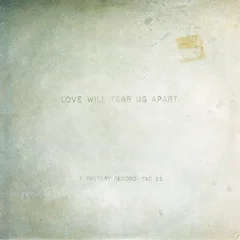
Joy Division
Pioneers of the genre; their sound and aesthetic defined the essence of Post-Punk.
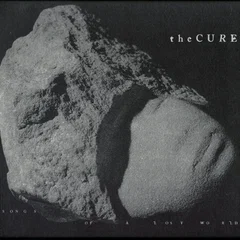
The Cure
Key innovators who brought atmospheric soundscapes and emotional depth to the forefront.
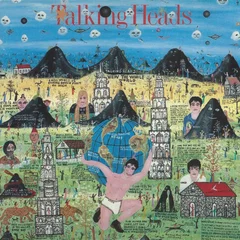
Talking Heads
Revolutionised the connection between art and music through eclectic rhythms and thought-provoking lyrics.
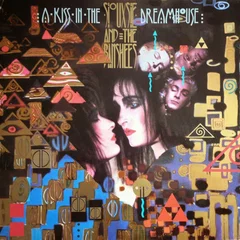
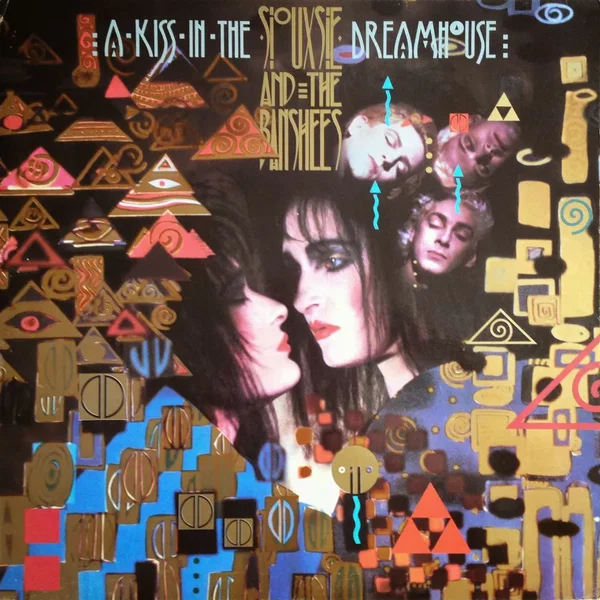
Siouxsie and the Banshees
Essential in shaping the Gothic side of Post-Punk, blending haunting melodies with punk energy.
Explore the family
Go deeper
Follow the branches and scenes within this sound.
Goth Rock
A darker, more atmospheric branch of Post-Punk, often exploring themes of melancholy.
New Wave
A pop-inflected subgenre that emerged from Post-Punk, incorporating synths and catchy hooks.
Art Punk
A more avant-garde variant, blending punk with experimental sounds and artistic expression.
Dance Punk
Optimistic beats meet punk energy; perfect for those who like a bop whilst they brood.
Post-Rock
Experimental instrumental music that retains the emotional intensity of Post-Punk.
Cold Wave
Fused elements of cold, synthetic sounds and the darker themes typical of Post-Punk.
Keep listening
Nearby sounds
Directory
Post Punk artists
342 artists