Britpop
Ah, Britpop; the genre that practically redefined British music in the 1990s. Imagine a time when flannel shirts were best left to America's grunge scene, and swaggering lads wearing parkas were the order of the day. Britpop emerged as a cheeky response to the dominance of American grunge and indie rock, bringing back a sense of British identity, wit, and cheeky humour. Spearheaded by bands like Blur and Oasis, Britpop offered catchy melodies, clever lyrics, and Brit-centric themes that resonated with the youth, dominating the charts and pubs simultaneously. The roots of this movement can be traced back to the earlier sounds of the 80s, when bands like The Smiths and Pulp ushered in a new wave of British indie music, but it was not until the explosive wave of the 90s that everything fell into place.
More about Britpop
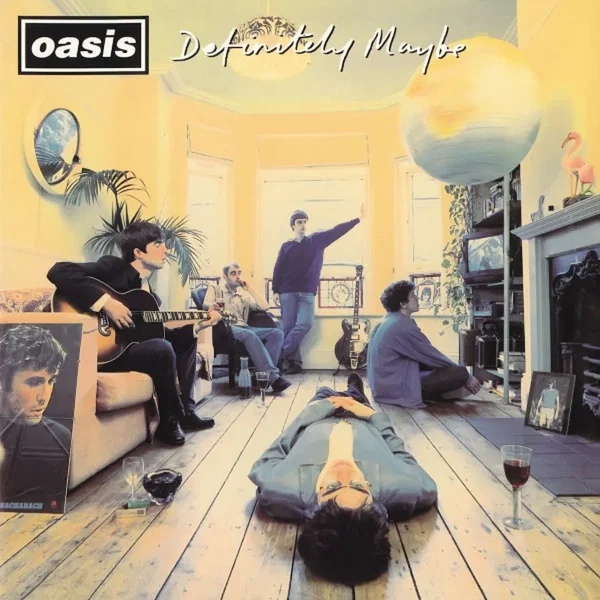
Lyrically, Britpop often explored themes of everyday life, British culture, and a sprinkle of self-deprecating humour. Take Oasis’ 'Definitely Maybe', for example; filled with anthemic songs that seemed to capture the imagination of a generation, it also embodied the quintessential British attitude of 'we’re all a bit useless, but we’re going to have a jolly good time anyway'. Rolling in the deep snog of the 1995 charts, Britpop peaked with the legendary 'Battle of Britpop' in 1995, where Blur and Oasis went head-to-head for chart supremacy. The media frenzy that surrounded them was a spectacular sight, reminiscent of football rivalries, but with slightly fewer broken glass bottles and much more chanting of 'Parklife' and 'Wonderwall'.
As the 90s rolled into the 2000s, Britpop became a staple of British music festivals and a significant influence on emerging bands. Even though the sheen began to wear off and bands started to dissolve or evolve into other forms, the legacy of Britpop continues to be felt. It paved the way for future genres, inspired young musicians, and reinforced the idea that British music could be both commercially successful and inherently cool. In short, Britpop wasn't just a music movement; it was a cultural phenomenon that left an indelible mark on the British landscape, one cheeky chorus at a time.
A way in
Start here
Four artists that help explain britpop.
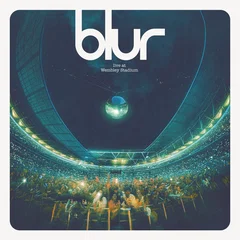
Blur
Pioneers of the genre, their clever lyrics and catchy tunes made them essential to the Britpop movement.
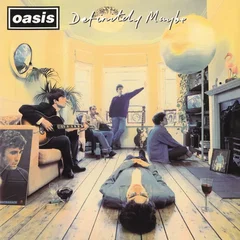
Oasis
One of the most commercially successful bands of the time, their anthems became synonymous with the Britpop era.
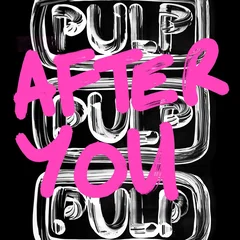
Pulp
Critically adored for their storytelling and sharp wit, Pulp defined what it meant to be a Britpop band.
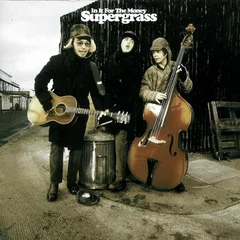
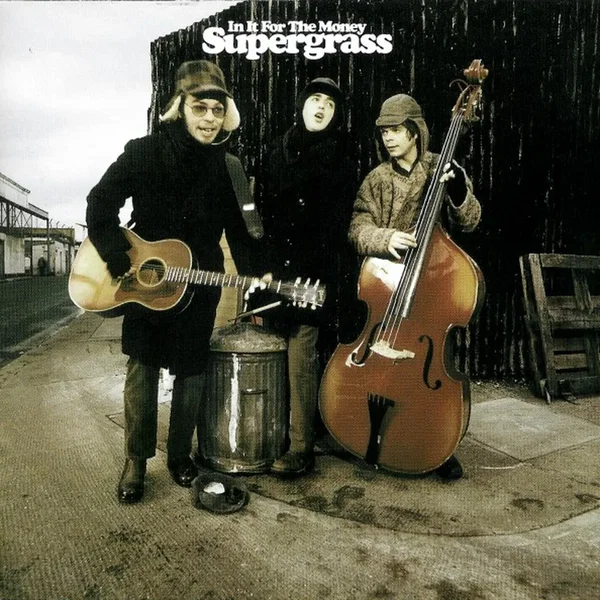
Supergrass
With their youthful exuberance and catchy songs, they embodied the spirit of the Britpop movement.
Explore the family
Go deeper
Follow the branches and scenes within this sound.
Post-Britpop
A genre evolving from Britpop, incorporating elements of alternative rock.
Grebo
A fusion of punk, funk, and Britpop vibes, characterised by a playful and chaotic aesthetic.
Folk-Pop
This subgenre combines Britpop melodies with traditional folk elements.
Electro-Britpop
A modern twist that incorporates electronic music into the Britpop sound.
Dance-Pop
Infusing dance beats and catchy hooks with the Britpop flair.
Indie Rock
A closely related genre that overlaps with Britpop sensibilities and style.
Keep listening
Nearby sounds
Directory
Britpop artists
108 artists