Dance
Ah, Dance music, the irresistible soundtrack to countless nights out. Now, this genre didn’t just pop up overnight like a cheeky pop-up ad on your browser.
More about Dance
Its roots can be traced back to the vibrant disco scene of the late 1970s, where DJs began experimenting with extended mixes; let’s just say that any attempts to sit still were decidedly futile. As seething beats and synthesized sounds started filling clubs across the globe, the genre swiftly evolved, incorporating elements from funk, soul, and even a smattering of punk rock. Fast forward a bit and you arrive at the ‘80s and ‘90s, the golden eras for electronic music. Notably, British acts like The Chemical Brothers and Fatboy Slim catapulted the genre into the mainstream, making it as ubiquitous as tea breaks.
With tracks like 'Where Eagles Dare' and 'Praise You', they glued a generation to dance floors. As the millennium approached, the emergence of subgenres, think trance, house, and techno, created a labyrinth of sounds to explore; some might say too many for one’s sanity. Yet, amidst all this, the essential beauty of Dance music lies in its capacity for evolution and reinvention, constantly morphing to meet the needs and desires of its audience. Its cultural significance cannot be overstated; clubs have become the beating hearts of cities and festivals like Glastonbury and Tomorrowland remain testament to its staying power.
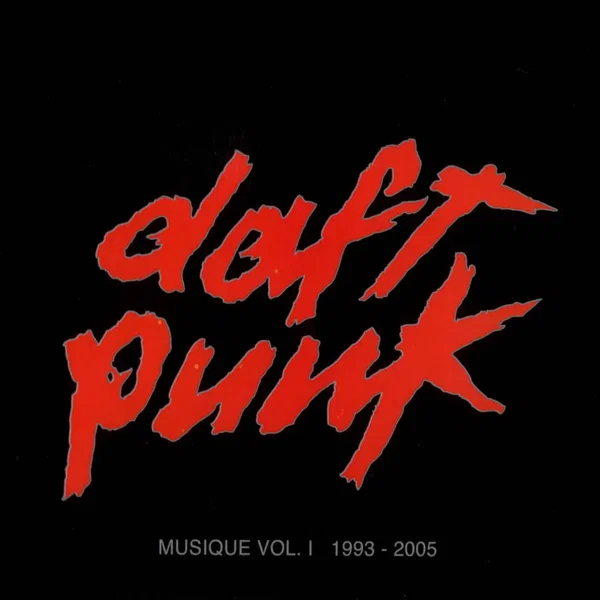
So, whether you fancy a quick shuffle to David Guetta or prefer waxing lyrical about the genius of Daft Punk, remember this: Dance music is not just a genre, it’s a way of life, it’s practically a rite of passage. Grab your dancing shoes and let’s dive into the rhythm.
A way in
Start here
Four artists that help explain dance.
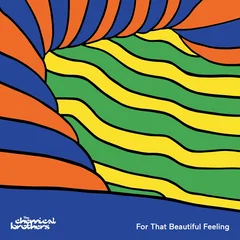
The Chemical Brothers
They are pioneers of the big beat genre, blending rock elements with electronic beats.
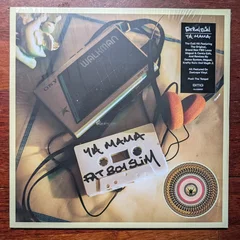
Fatboy Slim
Known for his innovative sampling and infectious party tracks, he’s been a staple of the genre.
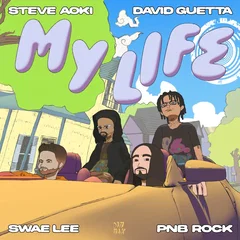
David Guetta
He has redefined modern dance music, collaborating with countless pop stars to create chart-topping hits.
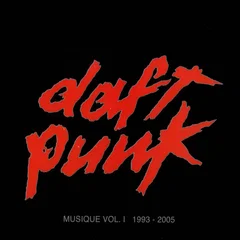
Daft Punk
Their unique style fuses house with funk, making them essential to the evolution of dance music.
Explore the family
Go deeper
Follow the branches and scenes within this sound.
Trance
A euphoric variant known for its melodic synthesiser lines and extended builds.
House
Characterised by a repetitive four-on-the-floor beat and off-beat hi-hats.
Techno
Distinguished by its repetitive beats and synthesised sounds.
Drum and Bass
Known for its fast breakbeats and heavy basslines.
Electro
Fuses hip-hop beats with electronic production techniques.
Dubstep
Features heavy bass and is often characterised by its wobbly low-end.
Deep House
Emphasises soulful melodies, complex chords, and smooth drum patterns.
Keep listening
Nearby sounds
Directory
Dance artists
193 artists