LogoLogo
    Raygum Logo

    A nice place to keep your music brain.

    Explore

    • Releases
    • Trending
    • Currents
    • Artists
    • Genres
    • Research

    Collections

    • Playlists
    • Soundtracks
    • Manufacturers

    Legal

    • Privacy Policy
    • Terms of Service
    • Cookie Policy

    About

    • About Raygum
    • Android app
    • Report a problem
    • Feedback
    • Help Center

    © 2026 Raygum. All rights reserved.

    An open notebook on music culture

    Currents

    Not what is trending. What may be changing.

    Shows, reissues, covers, criticism, chart returns: culture arrives as scattered moments. Currents joins the moments that begin to rhyme and offers a provisional reading of what they might mean together.

    Editor’s note

    A Current is a cultural hypothesis with its receipts attached—not a verdict, and not a claim that attention equals importance.

    AI helps sort and connect evidence. An editor approves every public word and source.

    Open field notes

    Moving now

    3 readings
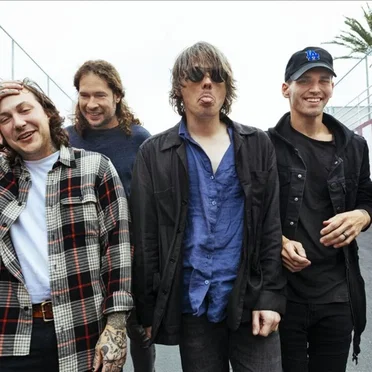
    My Chemical Romance artwork
    Cultural field noteOpen field note

    The Black Parade is becoming a live ritual again

    Anniversary stadium shows now sit beside a first live outing for “Ambulance,” a Danger Days fan party and chart rises for two catalogue titles—a wider reactivation of the band’s archive.

    Evidence strands · Live performance · New work · Reception & circulation

    10 selected records · 5 sources · 5 active dates

    First noted 14 Jul 2026
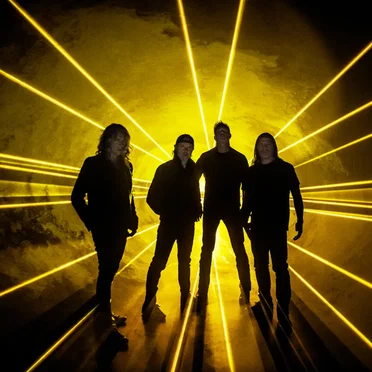
    Metallica artwork
    Cultural field noteOpen field note

    Metallica are rewriting the global tour city by city

    Across Cardiff, Glasgow, Dublin and London, M72 folded local songbooks and metal history into its stadium spectacle. At the same time, ReLoad returned through a deluxe reissue and two chart appearances.

    Evidence strands · Live performance · Reception & circulation · Return & memory

    11 selected records · 6 sources · 7 active dates

    First noted 14 Jul 2026

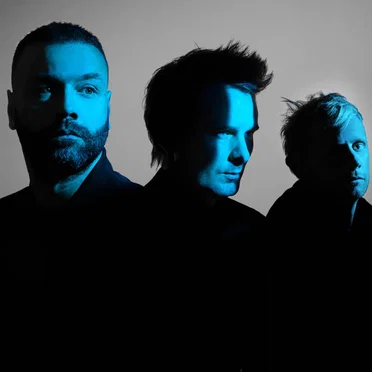
    Muse artwork
    Cultural field noteOpen field note

    Muse’s new era is arriving with their 2000s canon still on stage

    Around The Wow! Signal, new songs, older setlist material, spaceship-scale production talk and possible Black Holes & Revelations anniversary plans are surfacing at once.

    Evidence strands · New work · Live performance · Reception & circulation

    10 selected records · 5 sources · 8 active dates

    First noted 14 Jul 2026

    The listening field

    What the notebook is hearing

    A transparent view across the unique approved source records in the open notes above. It also shows where Raygum’s listening field is narrow.

    Unique records
    31
    Sources represented
    8
    Active dates
    13
    Evidence span
    18days

    The strands in the selected evidence

    Bars show each strand’s share of the unique approved source records across the open notes above.

    Unique approved source records grouped by cultural strand, with source and date counts
    Cultural strandRecordsSourcesDates
    Live performanceMusic documented through performance.48%15510
    Reception & circulationMusic being discussed, reviewed, and recirculated.23%733
    New workReleases entering the world.16%514
    Return & memoryOlder work being reissued, marked, or found again.10%333
    Echo & exchangeMusic travelling through covers, influence, and collaboration.3%111

    Most represented source: NME (14 of 31 unique records, 45%).

    Evidence profile, not value score

    These counts describe the unique approved source records across the open notes above, not event volume, audience size, or objective cultural importance. Several source records may document the same underlying moment.

    How Currents thinks

    From trace to meaning

    1. 01

      Occurrence

      A release, performance, cover, review, reissue, or other musical event leaves a trace.

    2. 02

      Pattern

      Independent traces begin to gather across sources, dates, and cultural forms.

    3. 03

      Current

      An editor names the possible cultural meaning and publishes only the evidence that supports it.