Electronic
Ah, Electronic music, the delightful concoction of bleeps, bloops, and, believe it or not, raw human emotion. Its origins can be traced back to the late 1940s, with early experiments by musos like Pierre Schaeffer, who famously manipulated recorded sounds into something resembling music. Fast forward to the 1970s, when the genre burst onto the scene like a kid trying to sneak into a nightclub. It was a wild decade, featuring the pioneering work of Kraftwerk, who rolled out albums like 'Autobahn' that gave us synths and drum machines aplenty. By the 1980s and 1990s, Electronic music had evolved into a cacophony of buzzing subgenres; techno, house, and trance became the stock and trade of nightclubs, with individuals such as Daft Punk and The Chemical Brothers leading the charge, likely in shiny hats.
More about Electronic
The beauty of Electronic music lies in its ability to meld with various cultural movements. Think about the 1990s rave culture, where kids donned neon colours and fluorescent bracelets to dance the night away in warehouse parties. You could practically smell the counterculture in the air, vibrating alongside the beats. It wasn’t just about the music; it was a statement, a way to feel alive in a grey world.
As we swayed into the 2000s, the genre broadened its horizons. Artists like Deadmau5 and Calvin Harris brought Electronic sounds into the mainstream, making it palatable for the masses, while still retaining a hint of anarchy. Now, when you hear a chart-topping pop hit, chances are there’s a dab of Electronic essence laced through it. From garage to synthwave, the evolution of Electronic music has been as relentless as a relentless bass drop, continuously redefining itself whilst bringing joy, or at least bemusement, to listeners globally. So there you have it, a history as varied and complex as the sound waves it generates.
A way in
Start here
Four artists that help explain electronic.
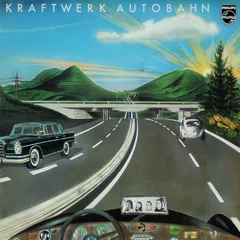
Kraftwerk
Often referred to as the 'godfathers of Electronic music', their influence is immeasurable.
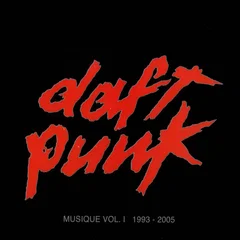
Daft Punk
Pioneers of house music, known for their unique style and iconic albums.
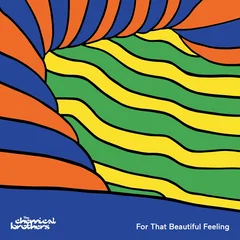
The Chemical Brothers
Masters of big beats, they brought Electronic music to the masses with a unique flair.
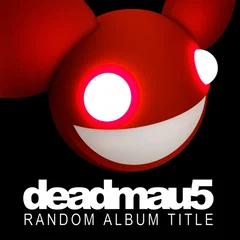
deadmau5
A leading figure in the Electronic dance music scene, known for his innovative productions.
Explore the family
Go deeper
Follow the branches and scenes within this sound.
Techno
A repetitive instrumental genre often associated with nightclubs.
House
A genre originating from Chicago, known for its soulful vocals and funky basslines.
Trance
Characterised by build-ups and breakdowns, creating an emotional listening experience.
Ambient
A genre focusing on creating atmosphere and mood, often instrumental.
Drum and Bass
Fast-paced beats with heavy basslines that can have a dizzying effect.
Synthwave
A genre inspired by 1980s music and film, featuring nostalgic synth melodies.
Keep listening
Nearby sounds
Directory
Electronic artists
811 artists