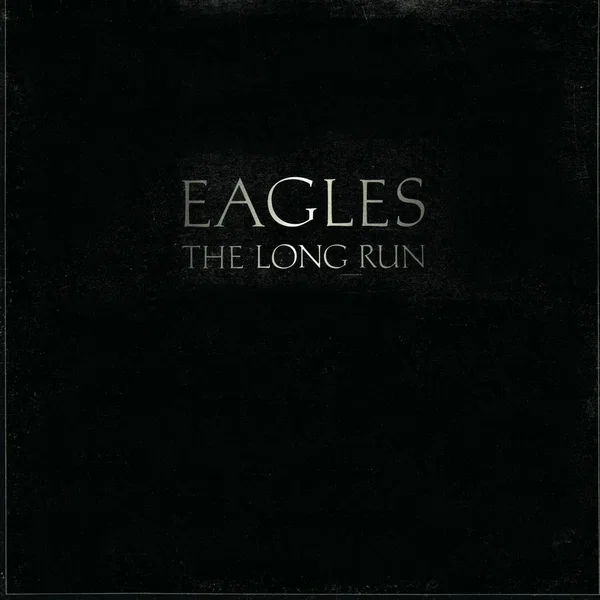
Classic Rock
Classic Rock, the glorious sound that makes you want to turn the volume up to eleven and channel your inner air guitar hero, emerged in the late 1960s and 1970s. This vibrant genre drew its influences from earlier rock and roll, folk, blues, and even a sprinkle of psychedelia.
More about Classic Rock
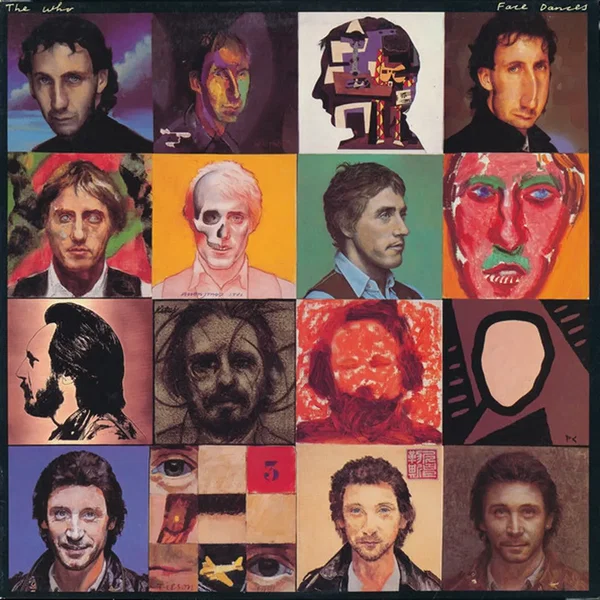
Think of it as the musical equivalent of a full English breakfast, hearty, unapologetic, and something that will stick with you all day. Notable for its emphasis on electric guitars, strong backbeats, and often anthemic lyrics, Classic Rock became the soundtrack to many a youth rebellion, with bands like Led Zeppelin, The Rolling Stones, and The Who leading the charge. Albums such as 'Led Zeppelin IV' and 'Who's Next' are still dissected by fans and critics alike, serving as shining examples of the genre's raw power and lyrical depth. In the midst of societal upheavals like the countercultural movement and the rise of feminism, Classic Rock gave a voice to the disenchanted; it was both a reflection and a catalyst for changes in culture.
The music became more than just entertainment; it became a form of expression, a protest, and sometimes a little mischievous fun. Moving through the decades, Classic Rock continued to evolve. While the '70s may have been its golden era, the '80s saw a diversification with the introduction of glam rock and arena rock. Bands such as Queen and Bon Jovi brought larger-than-life performances and catchy hooks, solidifying the genre’s place in popular culture.
Even the '90s, with the rise of grunge, couldn’t fully overshadow the legacy of Classic Rock, with many bands still riding on the coattails of this mighty genre. Today, it remains a staple in jukeboxes, radios, and concert halls worldwide, embodying a spirit of rebellion, adventure, and just a touch of cheeky mischief. All in all, Classic Rock is more than just music; it’s a lifestyle, a culture, and an age-old story of youth and exhilaration told through power chords and poignant lyrics.
A way in
Start here
Four artists that help explain classic rock.

Led Zeppelin
Revolutionised rock music with their innovative sounds and influence on generations of musicians.
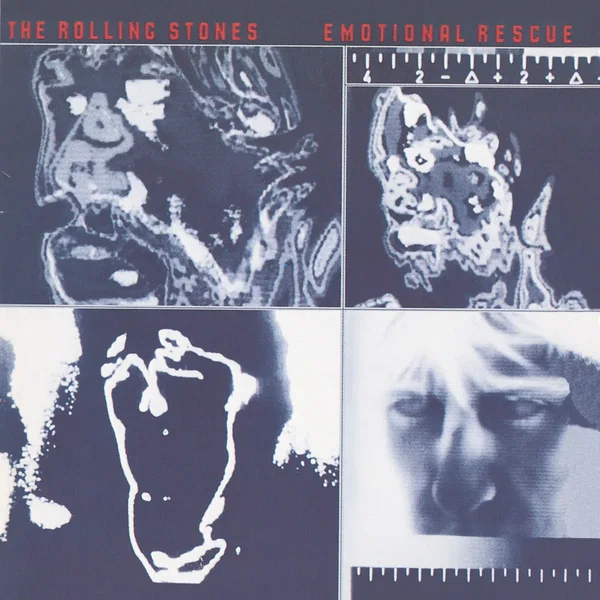
The Rolling Stones
An enduring symbol of rock and roll, known for their electrifying performances and timeless hits.
The Who
Pioneers of rock opera and anthemic rock, they set the stage for future generations.

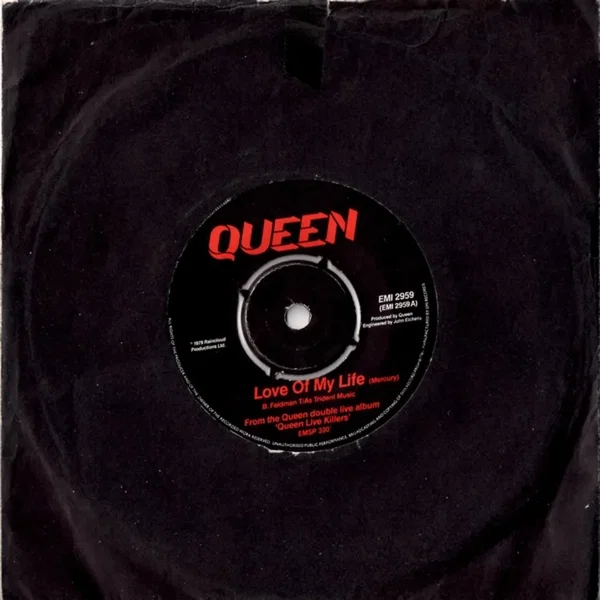
Queen
Known for their theatrical performances and anthemic songs, they embody the spirit of Classic Rock.
Explore the family
Go deeper
Follow the branches and scenes within this sound.
Southern Rock
A subgenre characterized by its blend of rock and roll, country, and blues.
Glam Rock
Known for its flamboyant style, combining rock music with theatrical performance.
Hard Rock
Features aggressive vocals and heavy use of distorted electric guitars.
Progressive Rock
Uses complex compositions and extended instrumentation.
Blues Rock
Marries elements of blues music with rock, often featuring improvisation.
Arena Rock
Designed for large venues, characterised by big hooks and anthemic choruses.
Keep listening
Nearby sounds
Directory
Classic Rock artists
147 artists