Orchestral Pop
Orchestral Pop, a genre that marries the grandiosity of classical music with the accessibility of pop, has a rich history punctuated by iconic artists. Its roots can be traced back to the early 1960s when innovative musicians like The Beach Boys and The Beatles began to infuse orchestral arrangements into their music, creating lush soundscapes that tantalised ears and broadened horizons. The Beatles' 'Sgt. Pepper's Lonely Hearts Club Band', released in 1967, is often hailed as a pivotal moment for this genre, blending pop sensibilities with orchestral flourishes in a manner that had never been attempted before. Fast forward to the 1990s, and you’ll find the likes of Rufus Wainwright and the melancholic ballads of his self-titled debut, which showcased a modern take on orchestral arrangements and revealed the genre's evolution.
More about Orchestral Pop
The characteristics of Orchestral Pop are both grand and delicate; sweeping strings, horns, and choirs coalesce to create emotionally rich compositions that can evoke everything from nostalgia to introspection. The intensity of the music often complements introspective lyrics, crafting an experience that feels simultaneously intimate and expansive. Over time, this genre has played a significant role in bridging the gap between the classical music elite and the everyday pop listener, showing that the two can coexist harmoniously.
Culturally, Orchestral Pop has influenced countless other genres and movements, including Indie Pop, which often draws upon orchestral elements. Artists like Florence + The Machine and Bat for Lashes have also added their distinct styles to the orchestral coat, building on the foundations laid by their predecessors. Furthermore, composers like Max Richter and Ólafur Arnalds have blurred genre lines by integrating orchestral elements into contemporary soundtracks, showing that the genre’s influence is as versatile as it is profound. In summary, Orchestral Pop is not just a genre; it's a journey through time, space, and emotion, with a sound that appeals to both the heart and the intellect.
A way in
Start here
Four artists that help explain orchestral pop.
The Beach Boys
Pioneers of the genre, they infused pop with lush harmonies and orchestral arrangements.
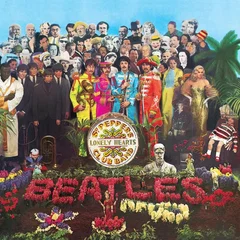
The Beatles
Their innovative approaches reshaped popular music and elevated orchestral elements to new heights.
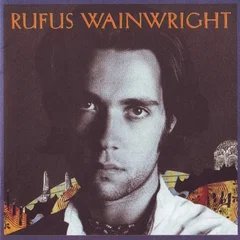
Rufus Wainwright
A contemporary artist whose work seamlessly fuses classical influences with modern songwriting.
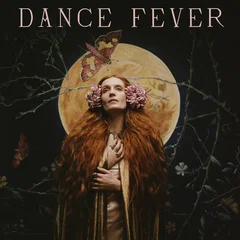
Florence + the Machine
Known for their dramatic soundscapes, they are a staple in modern Orchestral Pop.
Explore the family
Go deeper
Follow the branches and scenes within this sound.
Chamber Pop
An intricate blend of pop songs with classical arrangements often featuring small ensembles.
Baroque Pop
Characterised by ornate orchestral flourishes and sophisticated melody lines.
Symphonic Rock
A fusion of rock and classical music marked by orchestral arrangements.
Cinematic Pop
Music crafted to evoke vivid imagery and emotions, often used in film scores.
Art Pop
A genre that emphasises artistic expression and often incorporates orchestral elements.
Keep listening
Nearby sounds
Directory
Orchestral Pop artists
7 artists