Breakbeat
Breakbeat music, the rhythmic delight that keeps your feet shuffling and your head nodding, first galloped into our hearts in the late 1980s and early 1990s. Originating in the UK, this genre was like a raucous child born from the loins of hip hop, funk, and electronic dance music. Picture it: rave culture exploded into life, and DJs started chopping up breakbeats from classic funk tracks, crafting new grooves that would make even the most stoic Englishman crack a smile. With iconic tracks such as 'The Rockafeller Skank' by Fatboy Slim, Breakbeat gallantly claimed its spot in dance music, providing a heartbeat to the vivacious gatherings and sweaty clubs of the time.
More about Breakbeat
Key characteristics of Breakbeat include syncopated rhythms and the abundant use of samples, spinning old records into something new and fresh, rather like the British penchant for reimagining last night’s takeaway leftovers into a delightful breakfast. As it evolved, Breakbeat embraced various elements, from the dub-infused beats of the legendary Adam Freeland to the big beat explosion, influencing mainstream acts and bringing the underground scene into broader visibility.
The cultural significance of Breakbeat cannot be overstated; it became the soundtrack to a generation, representative of British nightlife, and a bridge to other genres, such as big beat and drum and bass. As it gallivanted through the 2000s, Breakbeat saw its style diversify, leading to various subgenres that kept the sound fresh, such as nu skool breaks and bassline. Whether you are a casual listener or a hardcore devotee, Breakbeat’s legacy is one of creativity, escapism, and joy; a true testament to the power of music to unite us and bubble up some fun from the dancefloor, even on the dreariest British days.
A way in
Start here
Four artists that help explain breakbeat.
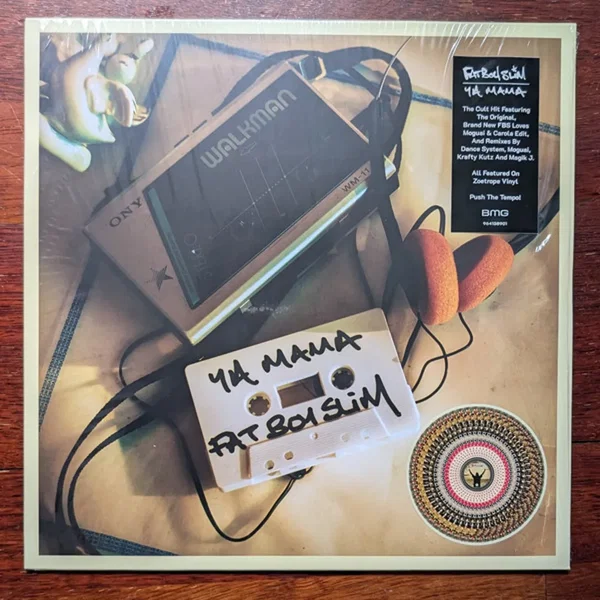
Fatboy Slim
A prominent figure in bringing Breakbeat into the mainstream with his infectious hooks and catchy tracks.
Adam Freeland
Known for his innovative sounds and ability to push the boundaries within Breakbeat music.
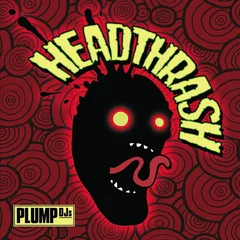
Plump DJs
Pioneers of the nu skool breaks sound, influential in establishing new dimensions to the genre.
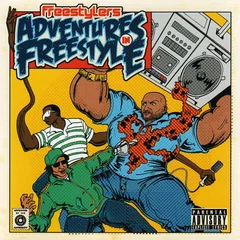
Freestylers
Their energetic tracks blended rock and rap with classic breakbeats, appealing to a broad audience.
Explore the family
Go deeper
Follow the branches and scenes within this sound.
Nu Skool Breaks
A modern twist on classic breakbeat, combining intricate rhythms with heavy basslines.
Big Beat
A fusion of breakbeat with rock elements, exemplified by artists like The Chemical Brothers.
Florida Breaks
A lively style of breakbeat originating from Florida’s club scene in the 90s.
Breakcore
An extreme form of breakbeat, known for its chaotic rhythm and heavy use of samples.
Bassline
A subgenre incorporating elements of house and UK garage, marked by prominent basslines.
Keep listening
Nearby sounds
Directory
Breakbeat artists
49 artists