Bebop
Ah, Bebop; the genre that dared to crank jazz up to eleven, whilst leaving behind the uptight swing of the past like a kid shedding his school uniform. Born in the 1940s, primarily in New York City, it emerged from the restless spirits of jazz musicians craving artistic liberation. The likes of Charlie Parker and Dizzy Gillespie were its trailblazers, turning the music scene on its head with complex chord progressions and rapid tempos that would make any metronome shudder. They didn’t just want to play, they wanted to have a free-for-all, breaking conventions whilst producing some of the most intricate and dynamic music ever.
More about Bebop
The key characteristics of Bebop include its use of fast-paced improvisation interwoven with unusual harmonies. Forget the danceable rhythms; think instead of music that demanded listening rather than toe-tapping. Albums like Charlie Parker’s 'Bird and Diz' and Gillespie’s 'A Night in Tunisia' forced audiences to pay attention, often leaving them bewildered but thoroughly entertained. Bebop sought to be art, not just entertainment; it was music for people who liked to flex their intellectual muscles.
Culturally, Bebop was not merely about sound; it was a statement. It emerged amidst a backdrop of social change and racial turbulence in America. These musicians, often from marginalised communities, were asserting their identity and freedom through complex and innovative music. As Bebop blossomed, it found itself at the heart of jazz clubs in Harlem, the smoke-filled rooms a perfect match for the music's audacious spirit. Since its inception, the genre has evolved, branching out into numerous subgenres whilst still influencing contemporary artists today. From Cool Jazz to Hard Bop, Bebop remains a critical part of jazz’s DNA; it’s the true rebel that paved the way for future generations. It’s ironic really; whilst it began as a response to the constraints of earlier jazz styles, it has since become a timeless classic, a snug suit that somehow never wrinkles. So, let us dive deeper into the world of Bebop, a genre that is both complex and cheeky, just like a good British humour.
A way in
Start here
Four artists that help explain bebop.
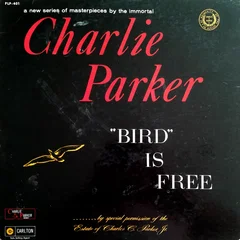
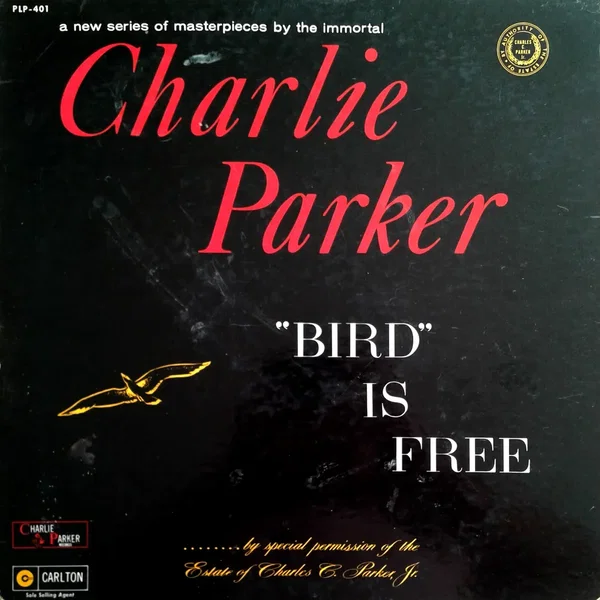
Charlie Parker
One of the founding figures of Bebop; his innovative style and complex melodies set the standard for improvisation.
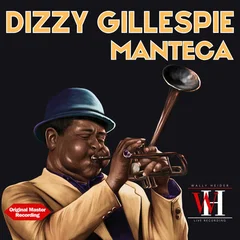
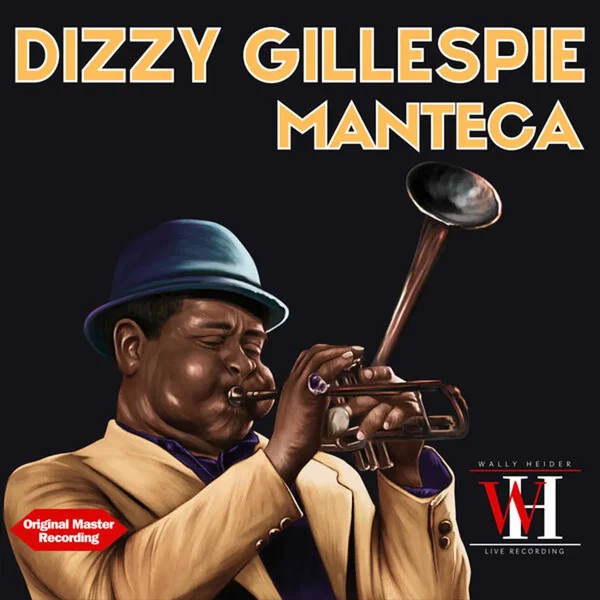
Dizzy Gillespie
A charismatic showman and virtuoso trumpet player whose big ideas and intricate compositions helped define the genre.
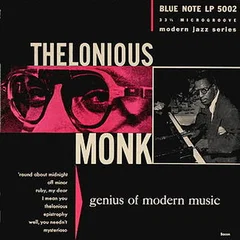
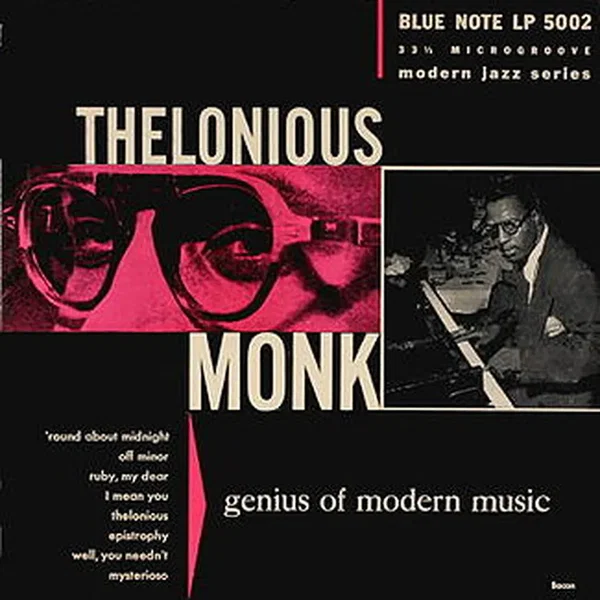
Thelonious Monk
His quirky pianos and unusual time signatures added a unique flavour, making him essential to the Bebop movement.
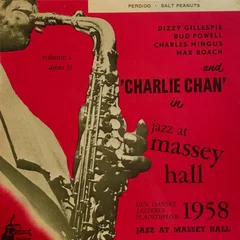
Max Roach
An innovative drummer whose rhythms and styles were foundational for many Bebop and later jazz drummers.
Explore the family
Go deeper
Follow the branches and scenes within this sound.
Cool Jazz
Smooth and laid-back, featuring softer tones and less frenetic pacing.
Hard Bop
A return to the bluesy roots with a bit more grit and soul.
Post-Bop
An evolved form that encompasses elements from various styles, allowing for broader improvisation.
Modal Jazz
Focuses on modes rather than chord progressions, offering greater freedom for improvisation.
Free Jazz
An experimental subgenre with less emphasis on standard structures, allowing complete artistic freedom.
Keep listening
Nearby sounds
Directory
Bebop artists
17 artists