LogoLogo
HomeArtistsMaurice Gendron

Maurice Gendron

Releases
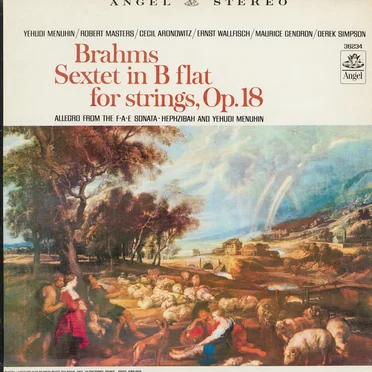
Sextuor Nº1 en Si bémol majeur, op. 18
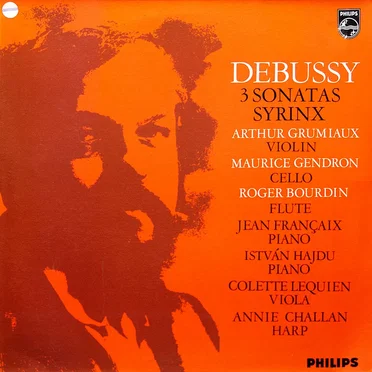
3 Sonatas / Syrinx
3 Sonatas / Syrinx
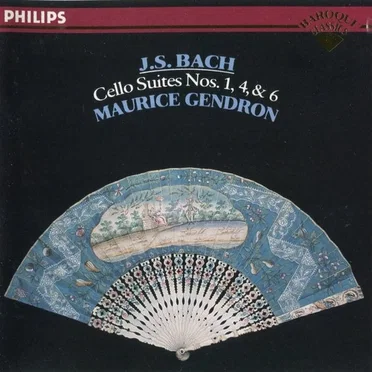
Cello Suites Nos. 1, 4 & 6
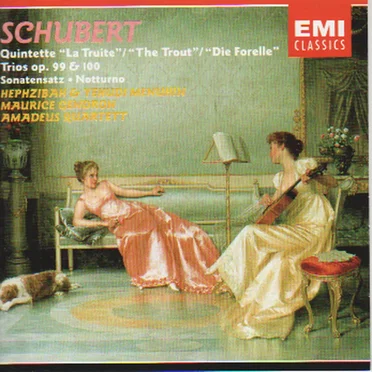
Quintette "La Truite" / Trios op. 99 & 100 / Sonatensatz / Notturno
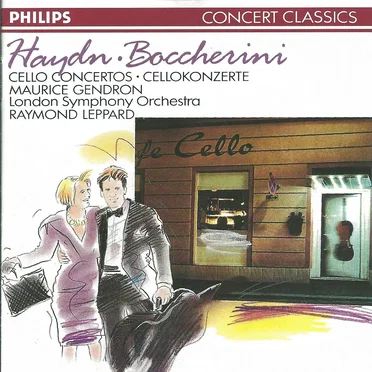
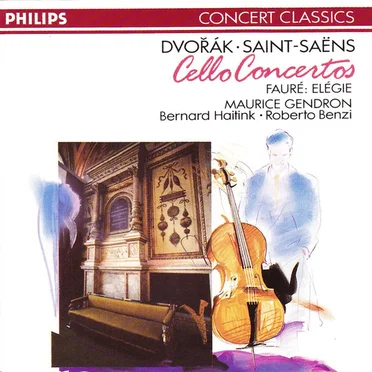
Cello Concertos
Cello Concertos
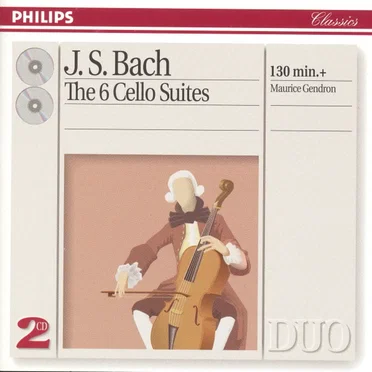
The 6 Cello Suites
The 6 Cello Suites
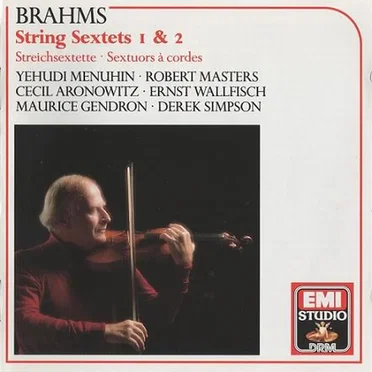
String Sextets 1 & 2
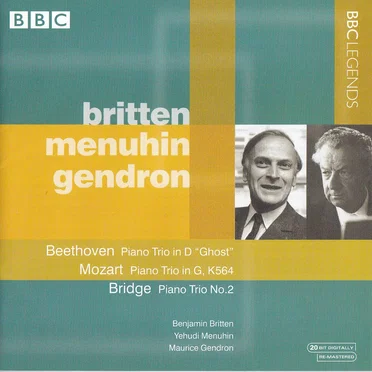
Beethoven: Piano Trio in D “Ghost” / Mozart: Piano Trio in G, K. 564 / Bridge: Piano Trio no. 2
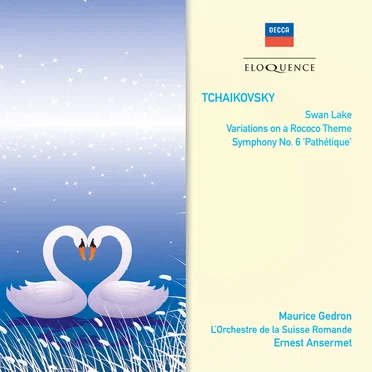
Swan Lake / Variations on a Rococo Theme / Symphony No.6 'Pathétique'
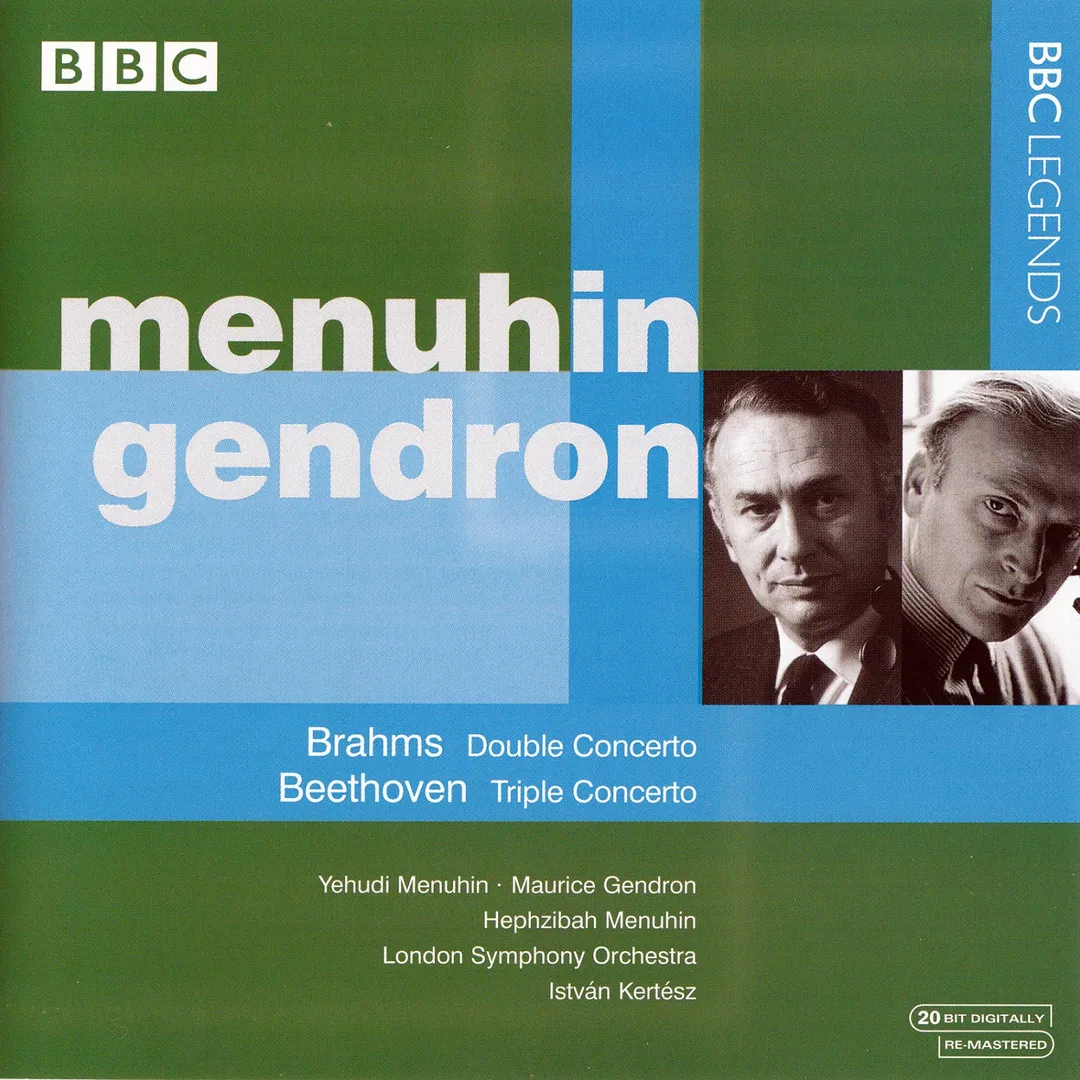
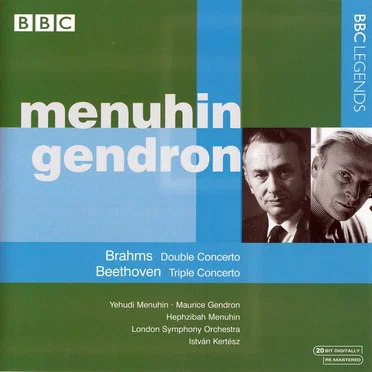
Brahms: Double Concerto / Beethoven: Triple Concerto
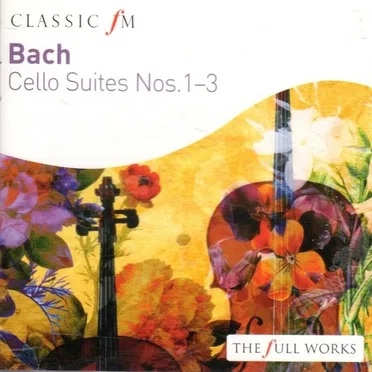
Cello Suites Nos.1 - 3
Cello Concertos
Cello Concertos
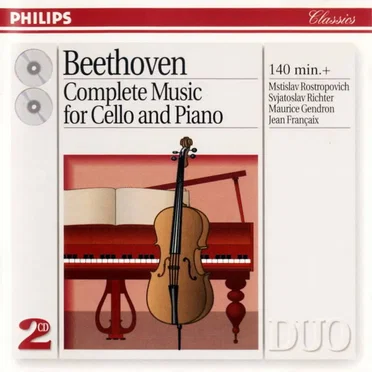
Complete Music for Cello and Piano
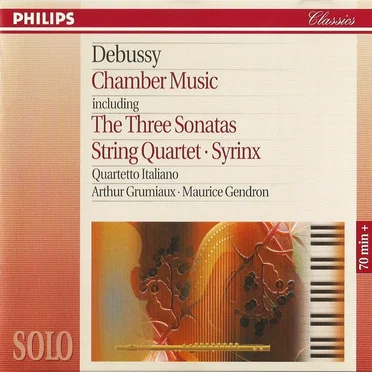
Chamber Music
Chamber Music

Follow Maurice Gendron on Raygum

Get a heads-up the moment Maurice Gendron releases something new — and when they're written up in reviews, charts and newsletters. Free account, no spam.

    Raygum Logo

    Keep track of music you love and dive deeper into your favourite artists.

    Explore

    • Releases
    • Trending
    • Artists
    • Genres

    Collections

    • Playlists
    • Soundtracks
    • Manufacturers

    Legal

    • Privacy Policy
    • Terms of Service
    • Cookie Policy

    About

    • About Raygum
    • Report a problem
    • Feedback
    • Help Center

    © 2026 Raygum. All rights reserved.

    Maurice Gendron was a French cellist and conductor born in Armentières in 1920 who studied at the Conservatoire de Paris and began an international performing career in the mid-20th century specialising in classical and Baroque repertoire. He was particularly associated with interpretations of the Bach cello suites and core concerto repertoire, and he combined performing with teaching and conducting, contributing to mid-20th-century cello practice and recording traditions.