LogoLogo
HomeArtistsViktor Ullmann

Viktor Ullmann

Viktor Ullmann

Releases
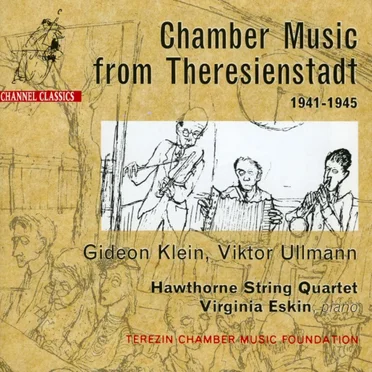
Chamber Music From Theresienstadt 1941-1945
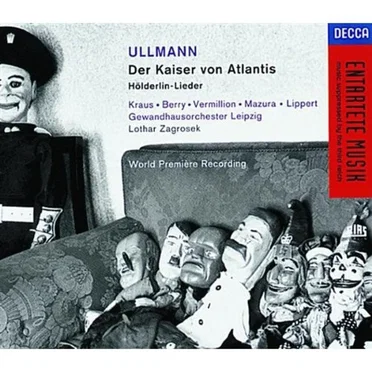
Der Kaiser von Atlantis / Hölderlin-Lieder
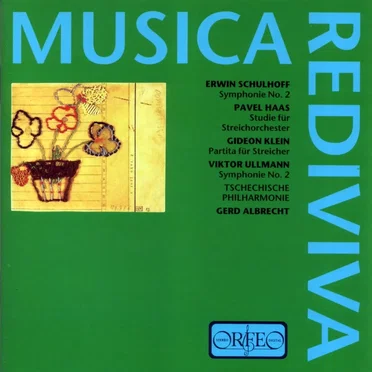
Schulhoff: Symphonie no. 2 / Haas: Studie für Streichorchester / Klein: Partita für Streicher / Ullmann: Symphonie no. 2
Viktor Ullmann / Arnold SchönbergNo artwork
Viktor Ullmann / Arnold Schönberg
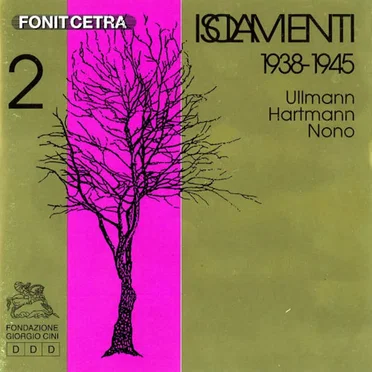
Isolamenti 1938-1945 - Concerto N. 2
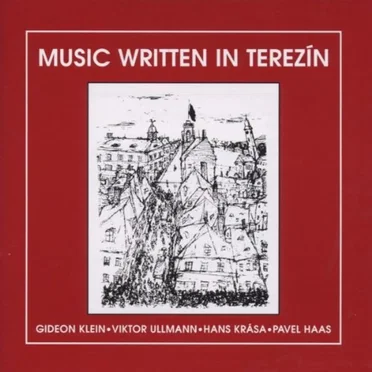
Music Written in Terezín
String Quartet No. 3, Piano Sonatas Nos. 5, 6 & 7No artwork
String Quartet No. 3, Piano Sonatas Nos. 5, 6 & 7
Czech “Degenerate Music”, Vol. IIINo artwork
Czech “Degenerate Music”, Vol. III
ConfessionNo artwork
Confession
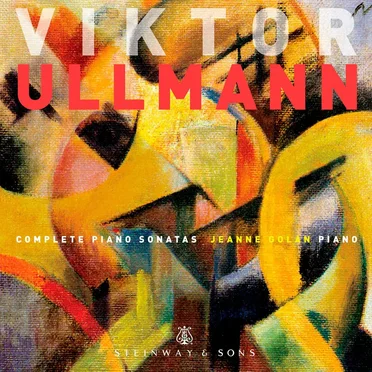
Complete Piano Sonatas
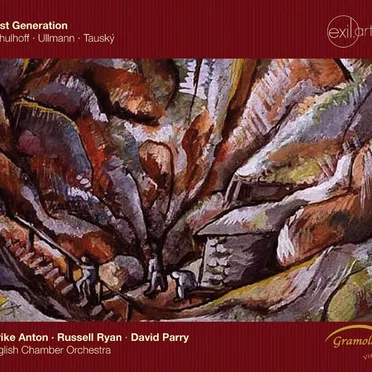
Lost Generation
Lost Generation
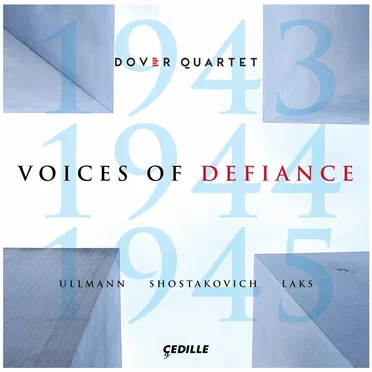
Voices of Defiance
Voices of Defiance
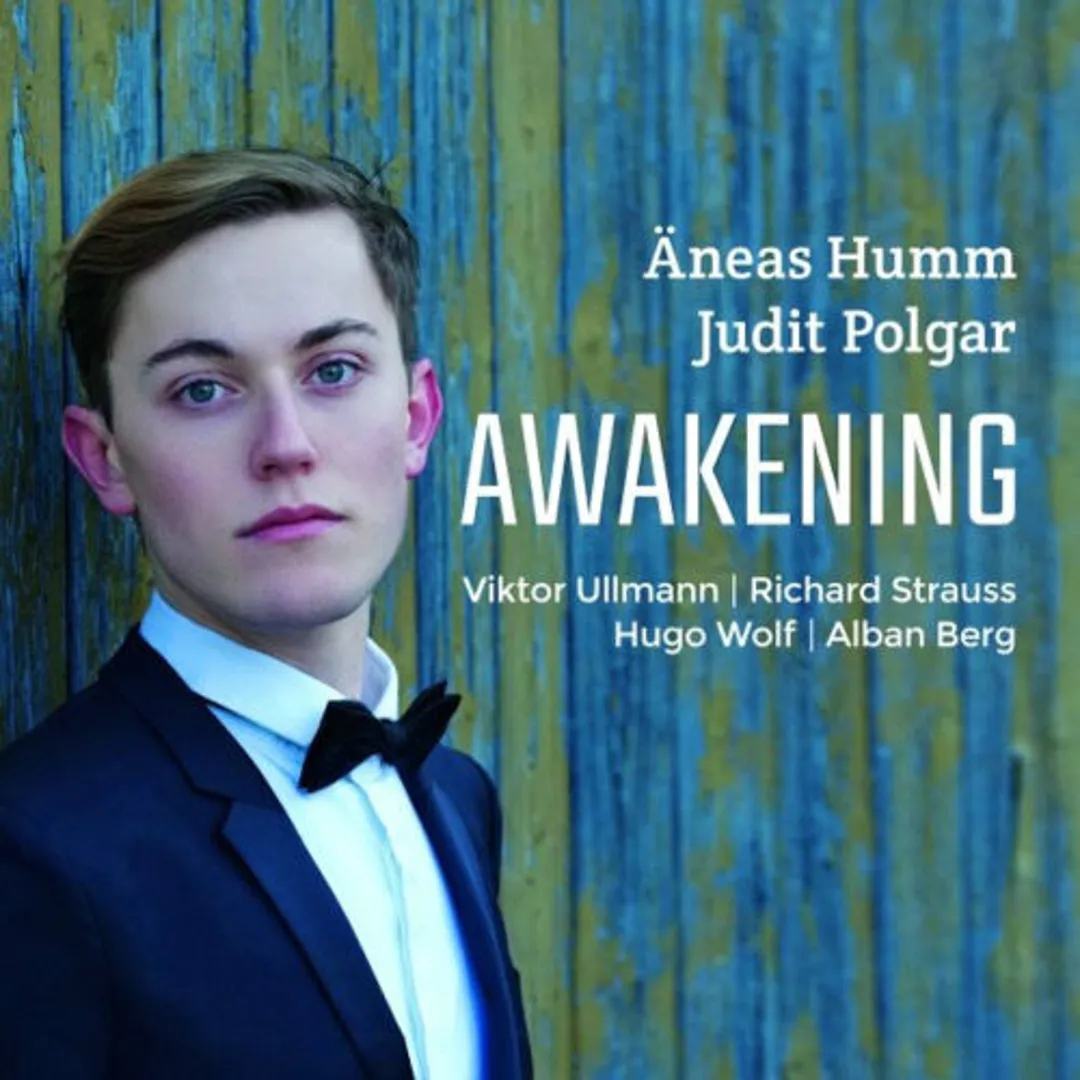
Awakening
Awakening
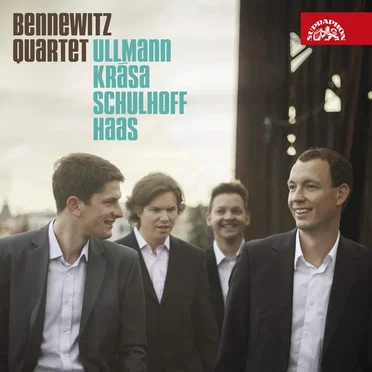
Ullmann / Krása / Schulhoff / Haas
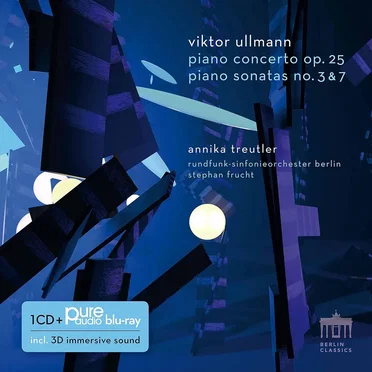
Piano Concerto, op. 25 / Piano Sonatas no. 3 & 7
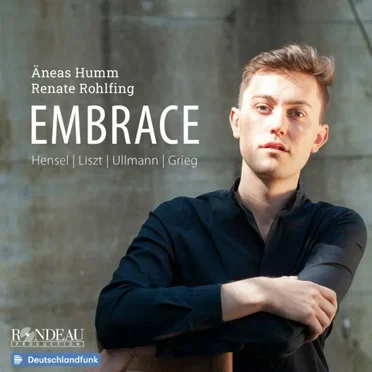
Embrace: Songs by Hensel, Liszt, Ullmann, Grieg
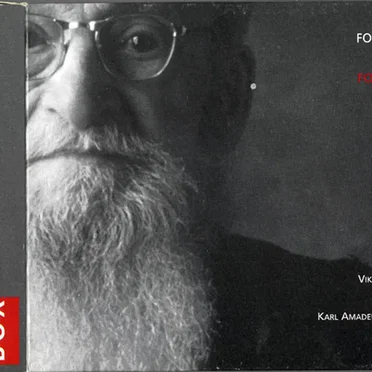
Forbidden, not Forgotten (Suppressed Music from 1938-1945)
    Raygum Logo

    Keep track of music you love and dive deeper into your favourite artists.

    Explore

    • Releases
    • Trending
    • Artists
    • Genres

    Collections

    • Playlists
    • Soundtracks
    • Manufacturers

    Legal

    • Privacy Policy
    • Terms of Service
    • Cookie Policy

    About

    • About Raygum
    • Report a problem
    • Feedback
    • Help Center

    © 2026 Raygum. All rights reserved.

    Viktor Ullmann was an Austro-Bohemian composer, pianist and conductor who trained in Vienna and began his composing career in the 1920s within the European modernist classical tradition. He wrote songs, chamber music and operatic works that drew on late-Romantic, expressionist and early twelve-tone techniques, and his later compositions—including an opera composed in the Theresienstadt ghetto—are part of the cultural record of artists persecuted under the Nazi regime.